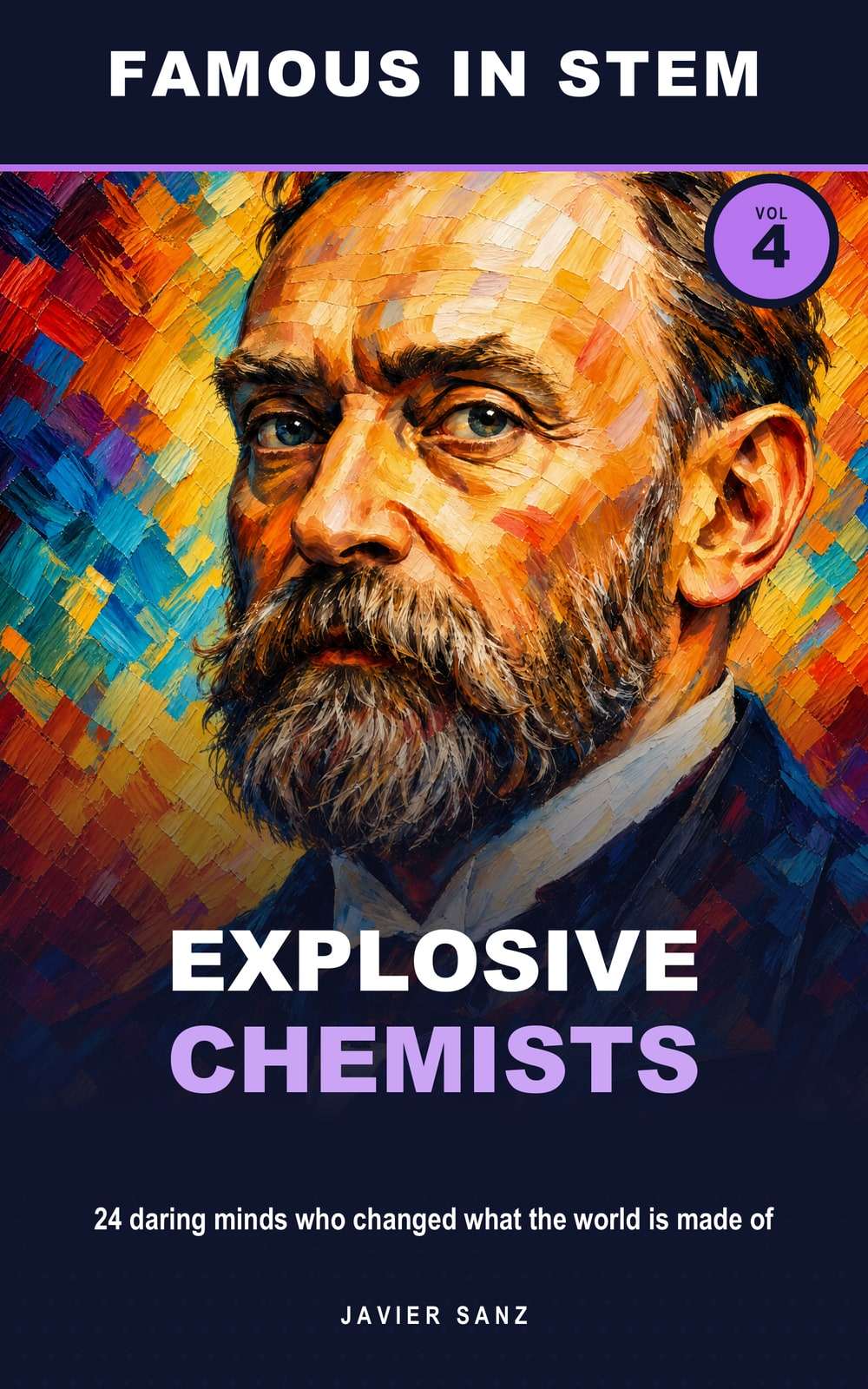
Cover of Famous in STEM, Vol. 4: Explosive Chemists by Javier Sanz, showing a painted portrait of Alfred Nobel

Famous in STEM · Volume 4

Explosive Chemists

24 daring minds who changed what the world is made of

A man who, the story goes, opened a newspaper and read his own obituary. A chemist whose home was bombed while he made medicines from soybeans. A scientist who found a malaria drug in a remedy written down 1,600 years earlier. Explosive Chemists tells the true stories of 24 daring minds who changed what the world is made of, from Lavoisier and Mendeleev to Rosalind Franklin, Percy Julian and Tu Youyou.

Also see all formats on Amazon, including hardcover where available.

  • 24 chapters
  • Ages 13+
  • Read in any order
  • 2026 edition
  • By Javier Sanz

About this book

Dynamite, the periodic table, DNA, plastics and Kevlar, told through the chemists who made them.

Each chapter explains one big idea in plain words: what really happens in a reaction, why the periodic table repeats, how X-rays revealed the shape of DNA, why Kevlar is stronger than steel for its weight. Kitchen experiments, like turning red cabbage into a color-changing indicator, bring the chemistry home.

Chemistry is the science you can hold in your hand. It is the salt on the table, the rust on a bicycle, the blue in your jeans and the smell of a struck match. Every one of those is a story about atoms changing partners, and once you know a few of the stories you cannot stop seeing them.

From “Before you start,” the book’s introduction

Who’s inside

All 24 chemists

Each chapter title and big idea, exactly as they appear in the book.

  1. Alfred Nobel

    1833–1896

    The man who read his own obituary

    Big ideaAn explosion is an ordinary chemical reaction in a great hurry, and even that can be tamed.

  2. Antoine Lavoisier

    1743–1794

    The tax collector who weighed fire

    Big ideaIn a chemical reaction nothing is lost and nothing is created. Weigh everything, and the books balance.

  3. Dmitri Mendeleev

    1834–1907

    The man who knew elements nobody had seen

    Big ideaLine the elements up by weight and their properties repeat, like the days of the week.

  4. Robert Boyle

    1627–1691

    The earl’s son who pumped a jar empty

    Big ideaSqueeze a gas into half the space and it pushes back twice as hard.

  5. Adolf von Baeyer

    1835–1917

    The chemist who put the blue in blue jeans

    Big ideaA color is a molecule. Work out the molecule and you can build the color in a factory.

  6. Fritz Haber

    1868–1934

    The man who fed the world and poisoned the trenches

    Big ideaPull nitrogen out of the air and turn it into fertilizer. About half the people alive eat because of it.

  7. Rosalind Franklin

    1920–1958

    The photograph that showed the shape of life

    Big ideaFire X-rays through a crystal and the pattern they leave tells you how the molecule is built.

  8. Mario Molina

    1943–2020

    The chemist who asked where the spray cans went

    Big ideaA gas so stable that nothing on Earth destroys it will rise until the Sun breaks it apart, and then its chlorine eats the ozone layer.

  9. Alice Ball

    1892–1916

    The chemist who turned a useless oil into a cure

    Big ideaA medicine your body cannot absorb is no medicine. Change the molecule, and it works.

  10. Linus Pauling

    1901–1994

    The man who worked out what holds atoms together

    Big ideaA chemical bond is a tug of war over electrons, and you can put a number on how hard each atom pulls.

  11. Dorothy Hodgkin

    1910–1994

    The Oxford housewife who saw the shape of penicillin

    Big ideaA molecule is too small to see, but the shadows it casts in X-rays can be turned into a map of its atoms.

  12. Percy Julian

    1899–1975

    The chemist who made medicine out of beans

    Big ideaNature builds its steroid hormones on one frame of four rings. Find a cheap plant that makes the frame and you can build the rest.

  13. Humphry Davy

    1778–1829

    The showman who pulled new metals out of a battery

    Big ideaElectricity can tear apart compounds that no furnace can touch, and inside them are elements nobody has seen.

  14. August Kekulé

    1829–1896

    The architect who dreamed a snake biting its tail

    Big ideaAtoms in a molecule are joined in a definite pattern, and six carbon atoms can close into a ring.

  15. Louis Pasteur

    1822–1895

    The chemist who found left-handed molecules

    Big ideaMolecules come in left-handed and right-handed forms, and living things can tell the difference.

  16. Gertrude Elion

    1918–1999

    The drug designer who built counterfeit keys

    Big ideaBuild a fake copy of a cell’s building block, and a cancer cell or virus will pick it up and jam itself.

  17. Svante Arrhenius

    1859–1927

    The man who first did the arithmetic on carbon dioxide

    Big ideaCarbon dioxide in the air traps heat, and the more of it there is, the warmer the ground.

  18. Leo Baekeland

    1863–1944

    The cobbler’s son who invented the first fully synthetic plastic

    Big ideaSmall molecules can be linked into chains and nets to make a material that exists nowhere in nature.

  19. Carl Scheele

    1742–1786

    The apothecary who found oxygen and lost the credit

    Big ideaAir is a mixture, and about a fifth of it is a gas that makes fire blaze and keeps animals alive.

  20. Amedeo Avogadro

    1776–1856

    The lawyer who learned to count molecules

    Big ideaEqual volumes of any two gases, at the same temperature and pressure, hold the same number of molecules.

  21. Tu Youyou

    born 1930

    The pharmacist who read a 1,600-year-old prescription correctly

    Big ideaA molecule from a common weed kills the malaria parasite, and Tu found it by keeping the extraction cool.

  22. Stephanie Kwolek

    1923–2014

    The chemist who would not pour the cloudy liquid away

    Big ideaLine up stiff polymer chains side by side and the fiber they make is five times stronger than steel for its weight.

  23. Henry Cavendish

    1731–1810

    The shyest man in science, who found the lightest gas

    Big ideaA gas fourteen times lighter than air burns with oxygen and leaves nothing behind but water.

  24. Ahmed Zewail

    1946–2016

    The chemist who filmed a bond breaking

    Big ideaFlash a laser twice, less than a trillionth of a second apart, and you can photograph atoms in the act of changing partners.

Free sample

Read the opening of Alfred Nobel’s chapter

The first pages, word for word.

Alfred Nobel

The man who read his own obituary

Lived: 1833–1896

Big idea: An explosion is an ordinary chemical reaction in a great hurry, and even that can be tamed.

In April 1888, the story goes, Alfred Nobel opened a French newspaper and found a report of his own death. His brother Ludvig had died in Cannes, and a journalist had mixed up the two Nobels. The piece was not kind. It called him a merchant of death, a man who had grown rich by finding ways to kill more people faster than ever before.

Nobel was fifty-four and unmarried, with a stake in factories across Europe. He had read plenty about himself, but he had never read how the world would sum him up once he was gone. The verdict stung. Almost nine years later his real will reached the newspapers, and this time the news was about what he had left to the world.

A family that lived with explosives

The Nobels were inventors who were often broke. Alfred’s father, Immanuel, went bankrupt in Stockholm and left to try his luck in Russia, where he built underwater mines for the Tsar’s navy. In 1842, when Alfred was nine, the family joined him in St. Petersburg. Now there was money for private tutors, and one of them was Nikolai Zinin, among the best chemists in Russia.

Years later, Zinin showed Alfred and his father a new liquid that an Italian chemist, Ascanio Sobrero, had first made in Turin in the 1840s. It was called nitroglycerin. It looked like pale oil, and a single drop, struck with a hammer, went off with a crack far louder than gunpowder. Sobrero was so frightened by it that he judged it far too dangerous to use. Nobel could not leave it alone.

The chapter goes on. So do 23 more.

From the book

See it, try it, think about it

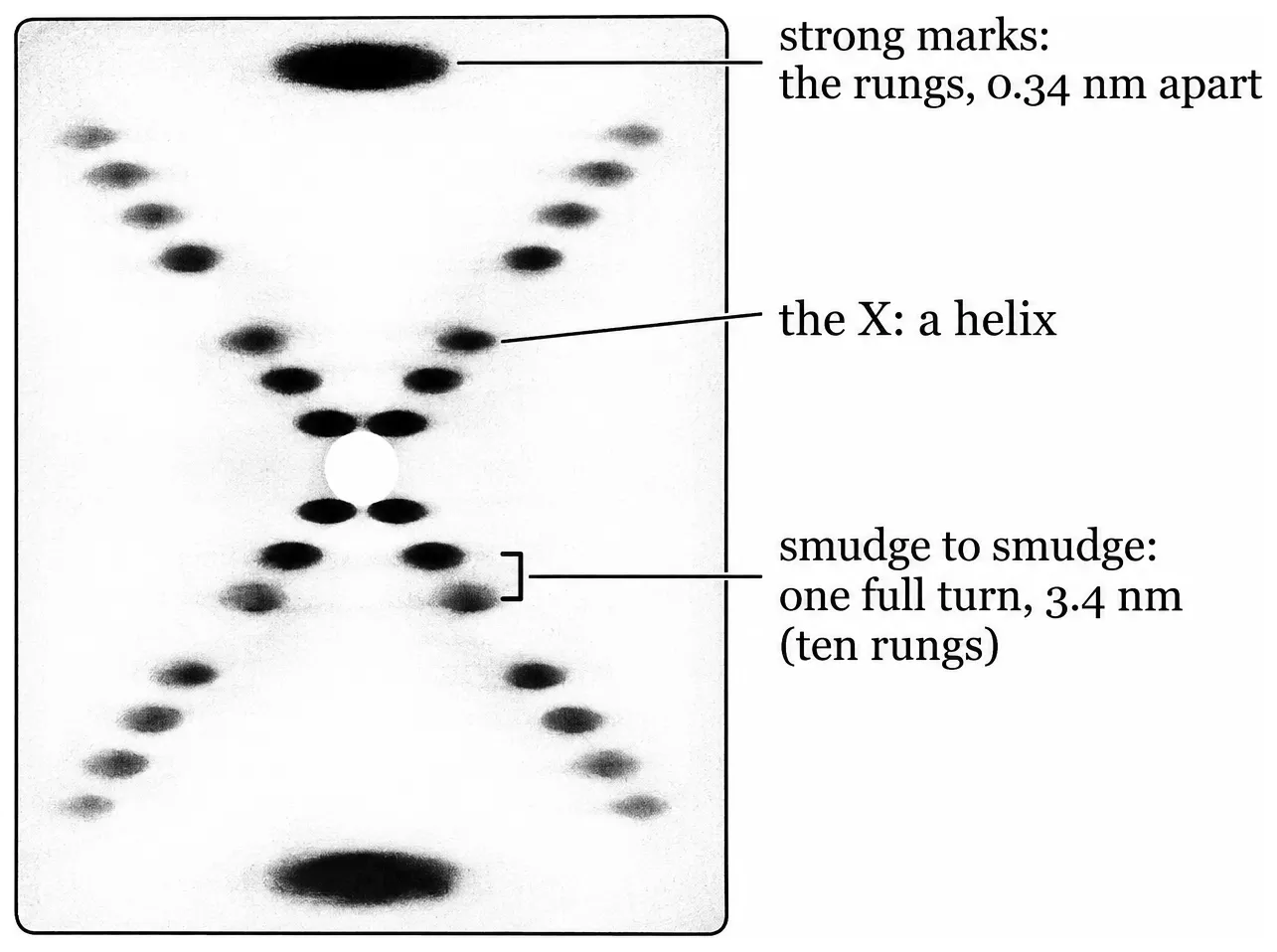
A sketch of Photo 51: the X-shaped pattern of dark arcs, with labels showing that the X means a helix, the spacing of the arcs gives the length of one full turn (3.4 nanometers), and the strong marks at the top and bottom give the distance between the rungs (0.34 nanometers)
The X says “helix.” The spacing of the marks says how tightly it winds.Illustration from the chapter on Rosalind Franklin
Try this

Red cabbage does the same trick in your kitchen. Chop a few leaves, soak them in hot water for ten minutes and pour the purple liquid into three glasses. Add lemon juice to one and it turns pink; add a spoon of baking soda to another and it turns blue or blue-green. The third is your control. You have made an indicator, and it works for the same reason as Baeyer’s.

Look around you

Kevlar is the yellowish fiber inside puncture-resistant bicycle tires, firefighters’ gloves, canoe hulls, racing sails, some phone charging cables and the vests worn by police officers. If an adult cuts open an old, unplugged charging cable and finds stringy yellow fibers, they are probably Kevlar or a close cousin of it.

Questions

About Explosive Chemists

Which chemists are in the book?

Alfred Nobel, Antoine Lavoisier, Dmitri Mendeleev, Robert Boyle, Adolf von Baeyer, Fritz Haber, Rosalind Franklin, Mario Molina, Alice Ball, Linus Pauling, Dorothy Hodgkin, Percy Julian, Humphry Davy, August Kekulé, Louis Pasteur, Gertrude Elion, Svante Arrhenius, Leo Baekeland, Carl Scheele, Amedeo Avogadro, Tu Youyou, Stephanie Kwolek, Henry Cavendish and Ahmed Zewail: 24 in all.

Are the experiments safe?

The try-this activities use kitchen materials such as red cabbage, paper clips, a candle in a dish or a cold spoon, and the ones involving heat or flame say to do them with an adult.

Do I need to read the other Famous in STEM books first?

No. Explosive Chemists is Volume 4 of seven, and every volume stands on its own. Each chapter does too, so readers can start with whoever interests them most.

What age is it for?

Readers 13 and up: teens, curious adults and anyone who prefers stories to textbooks. Confident younger readers who love science can read them too: the chapters are short and explain every idea from scratch.

Are the books accurate?

The 2026 editions were rewritten chapter by chapter and fact-checked against published sources. Where an anecdote rests on a single account, the books say so ("the story goes") rather than presenting legend as fact.

More in the series

Six more fields to explore

Start with the field they love.

Seven books, one for each corner of STEM. Every volume stands on its own, so there is no wrong place to begin.

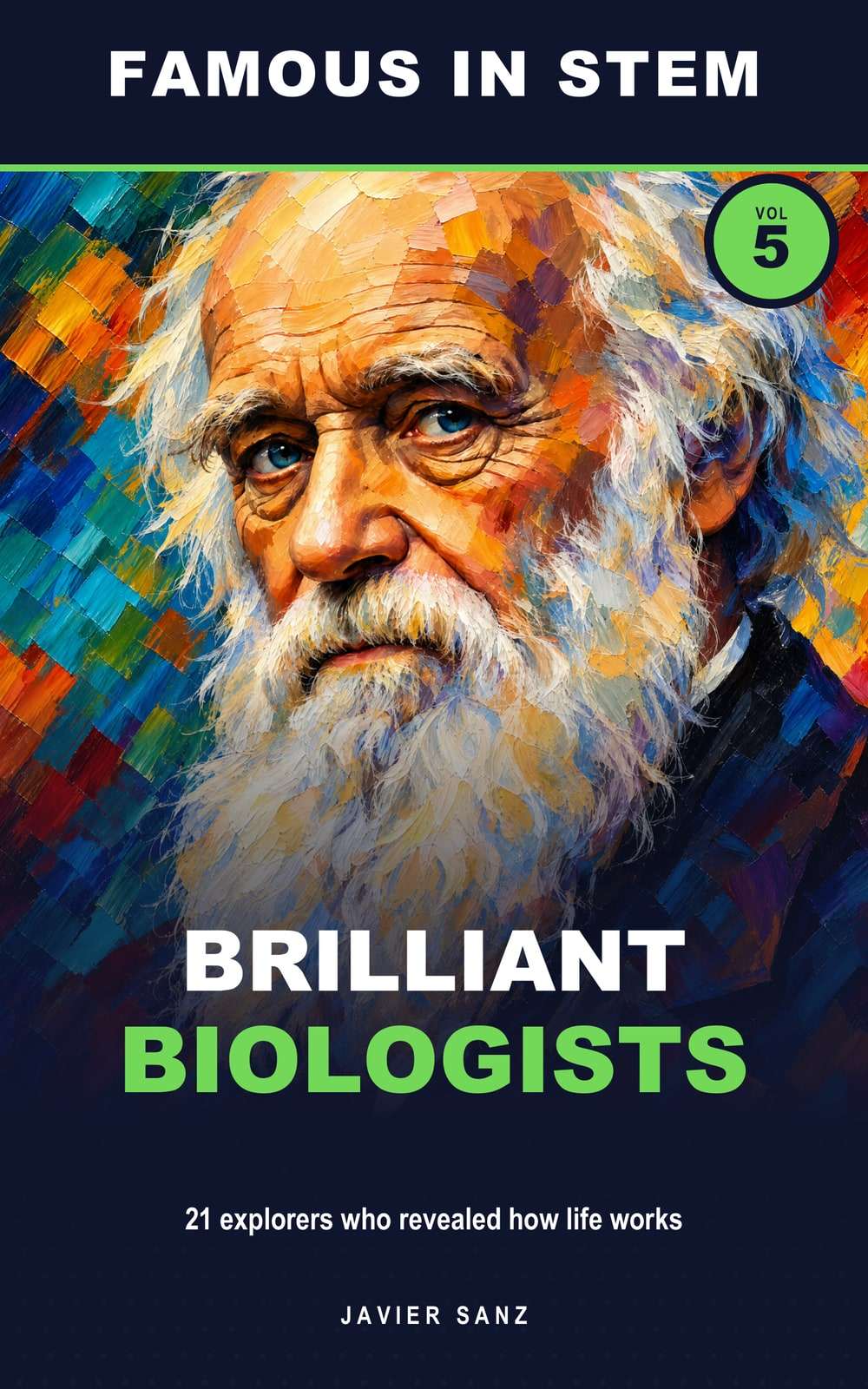
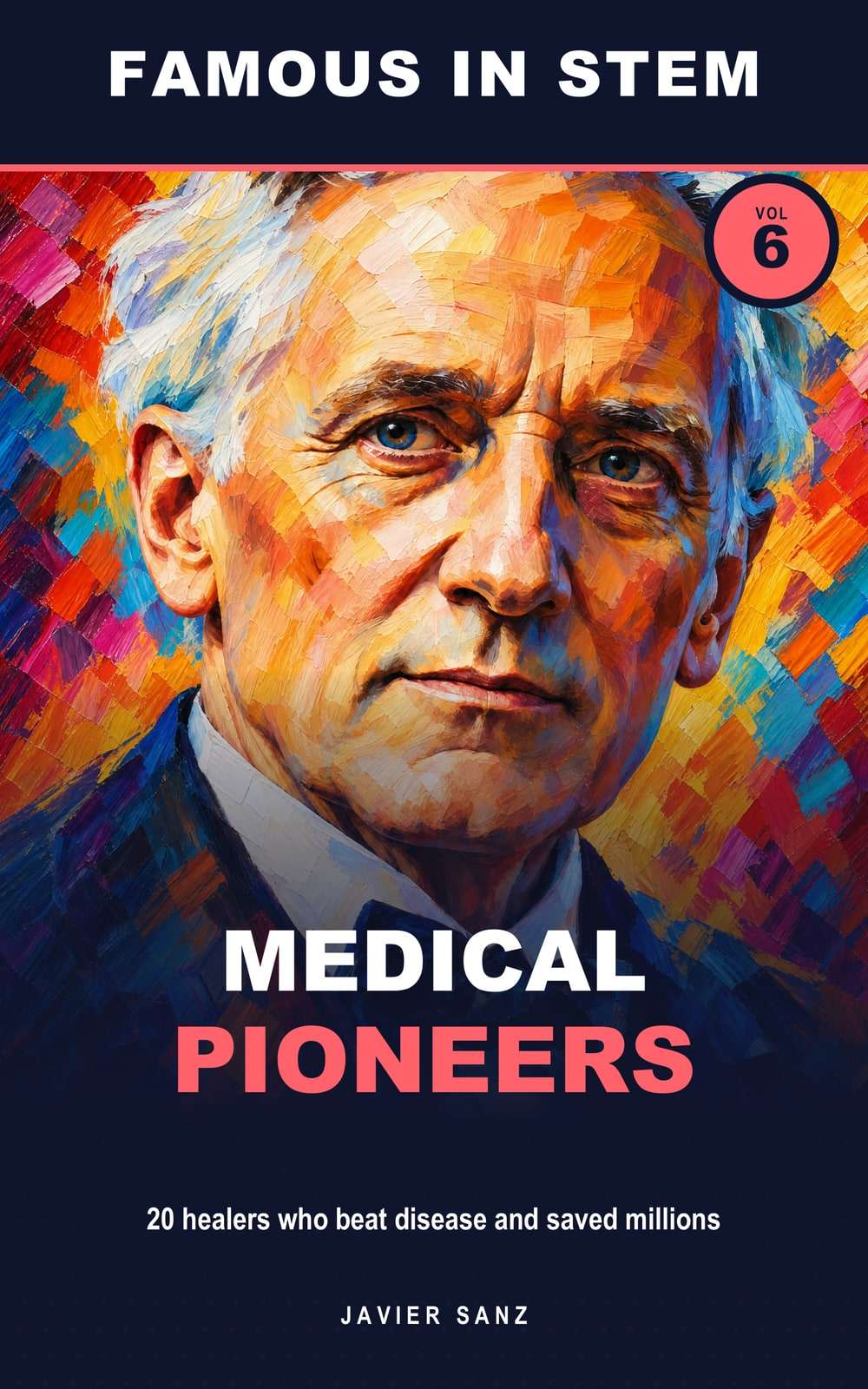
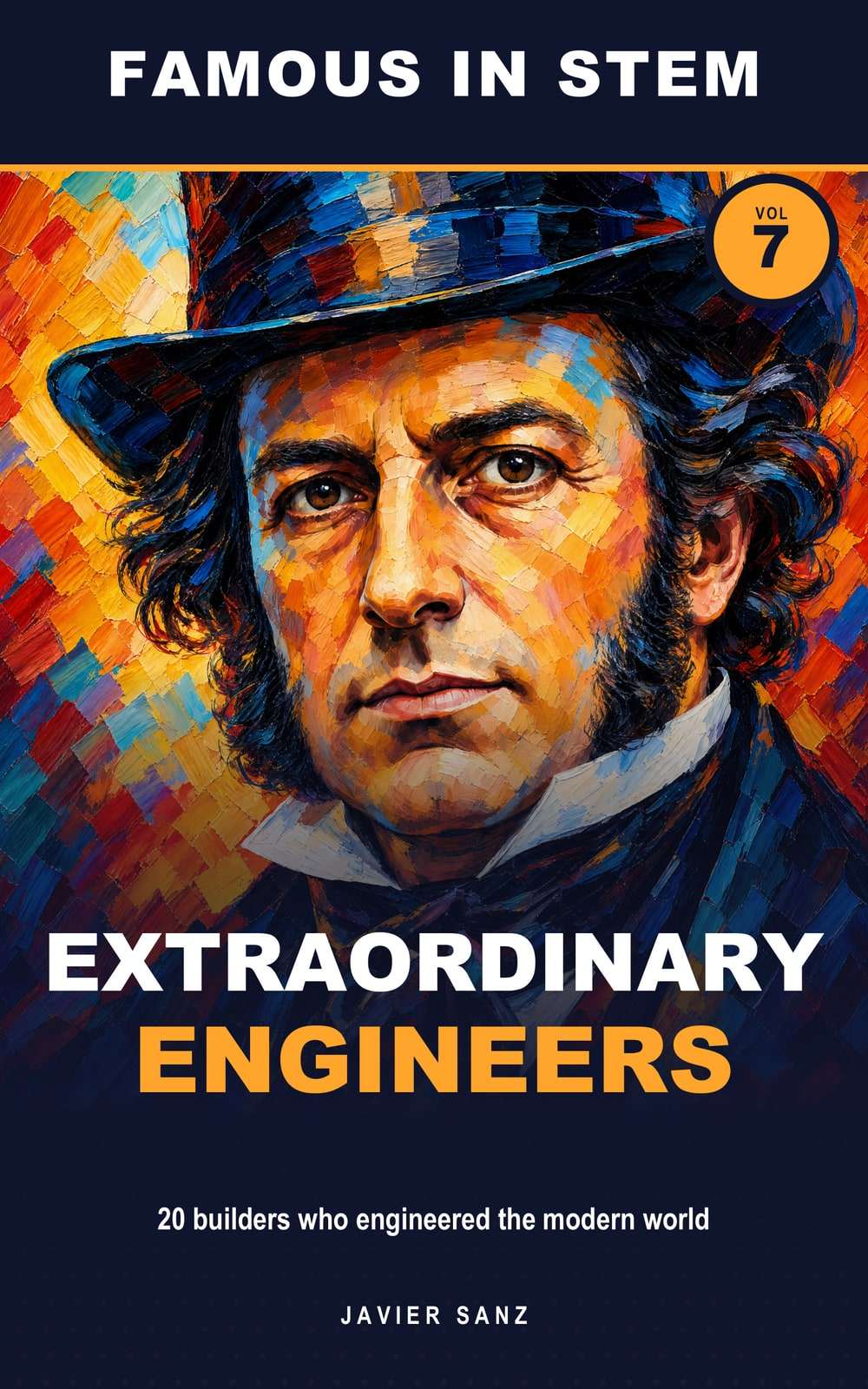
Explosive ChemistsFamous in STEM · Vol. 4
Buy on Amazon