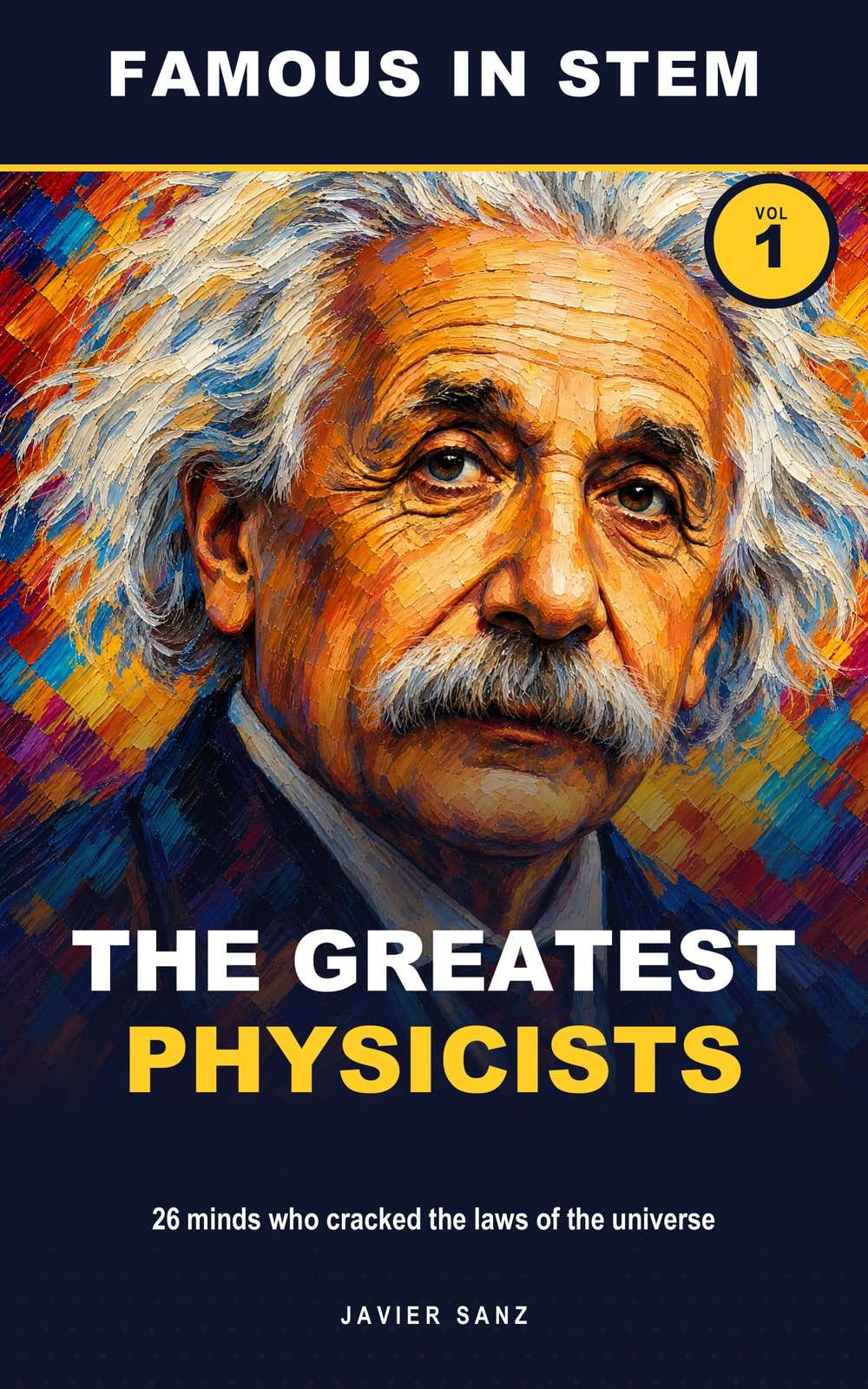
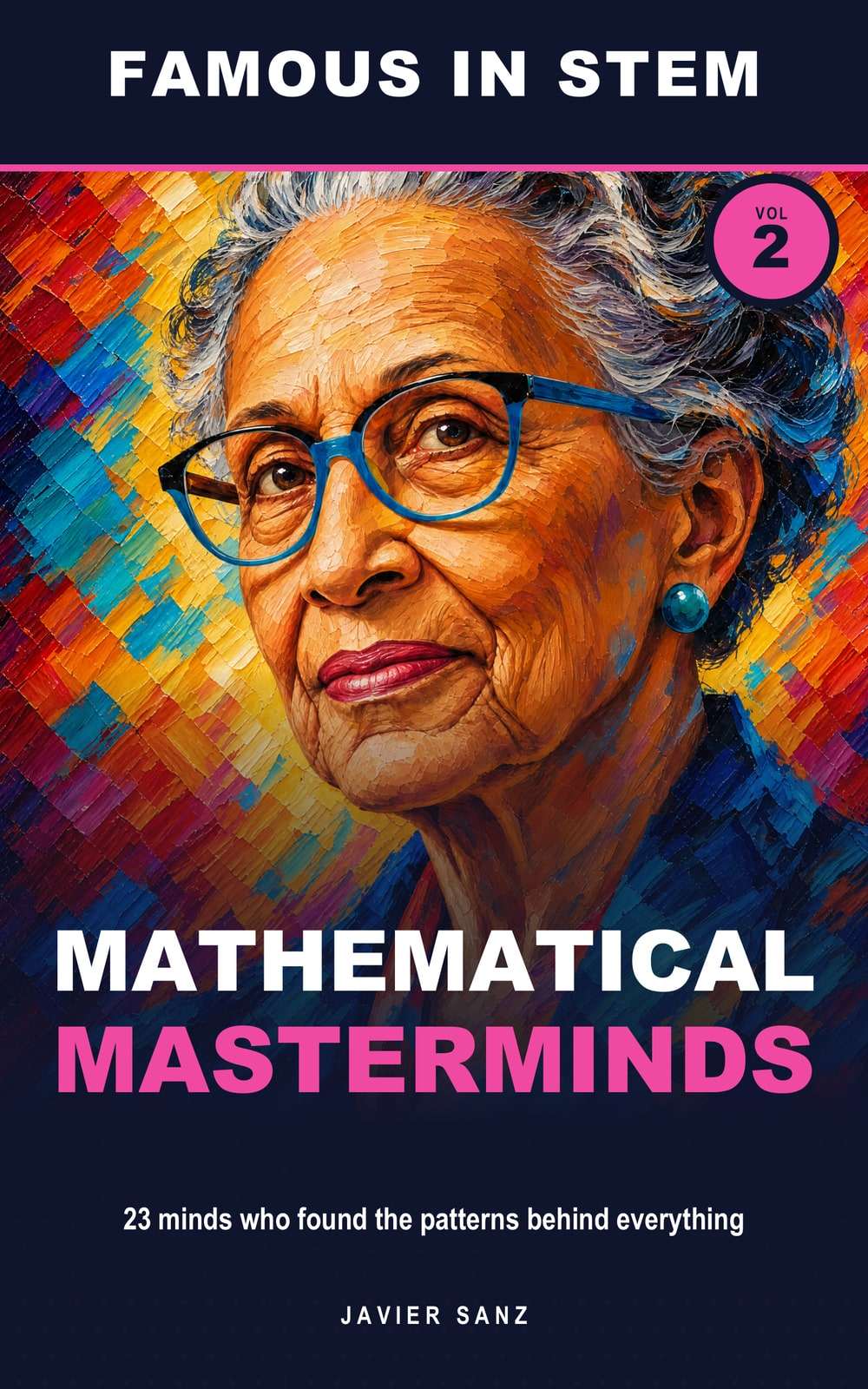
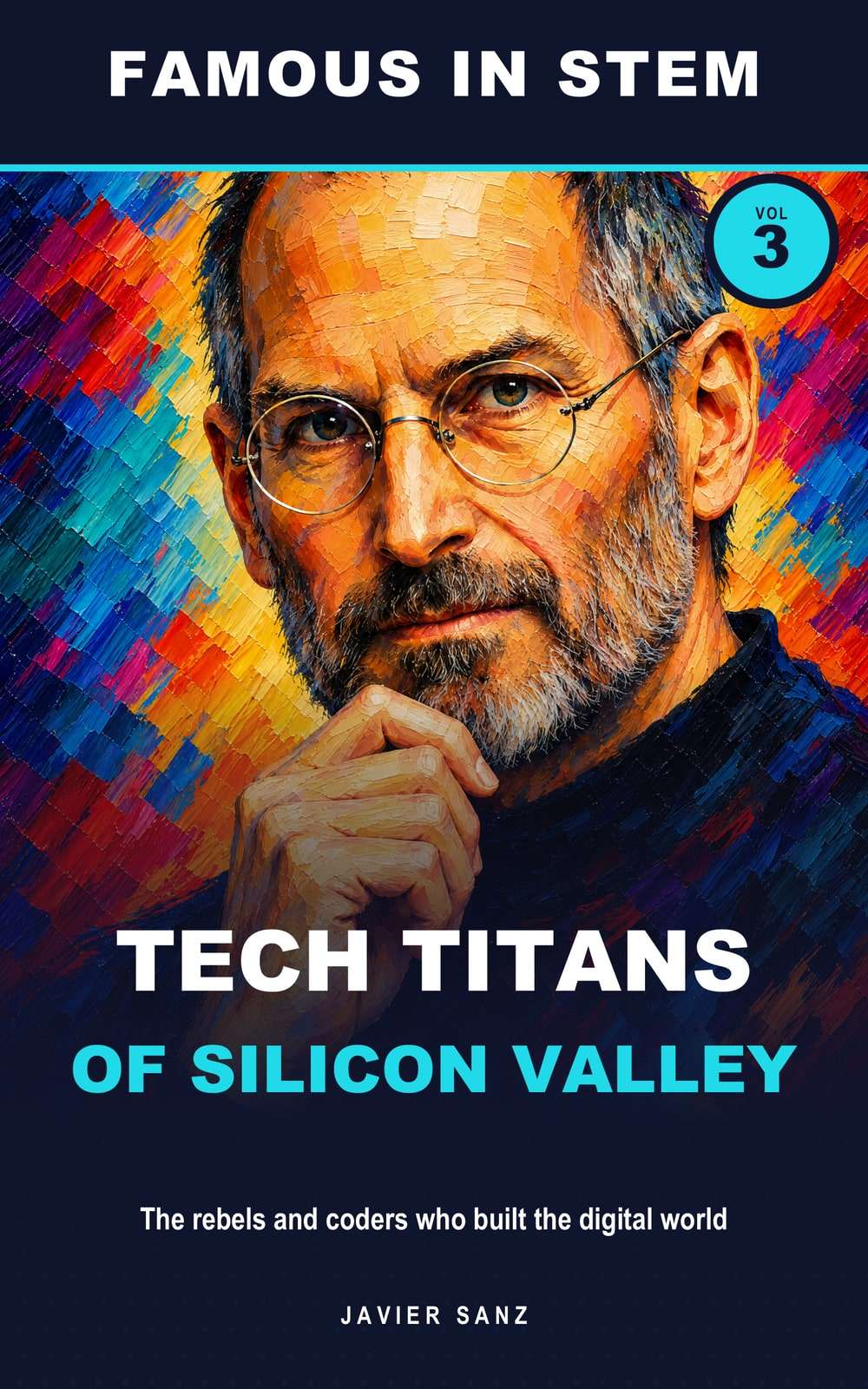
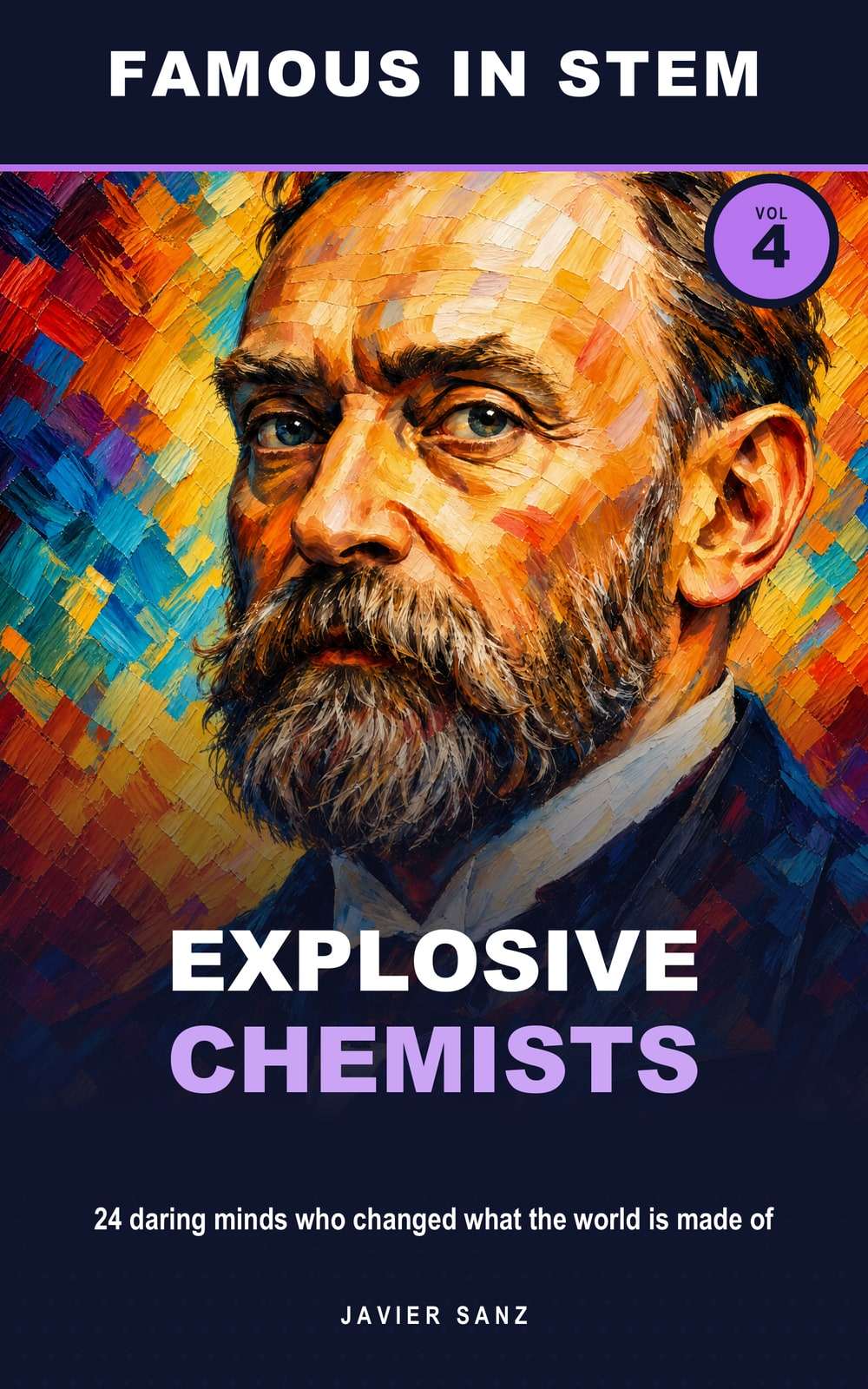
Famous in STEM
Reading list
Science books for teens, by subject.
True stories about science that a teenager can read alone, from award-winning young adult nonfiction to adult books often read in high school. Ages come from the publishers; awards were checked with the award bodies.
Physics and space
True stories of the bomb, the Moon landings and the whole history of science, for readers who want to know how the universe works.
-
Bomb: The Race to Build—and Steal—the World’s Most Dangerous Weapon
The Manhattan Project, Soviet atomic spies and the raids on Germany’s bomb program, told like a thriller.
Sibert Medal (2013) · Newbery Honor (2013) · YALSA Award for Excellence in Nonfiction (2013) · National Book Award finalist (2012)
-
How We Got to the Moon: The People, Technology, and Daring Feats of Science Behind Humanity’s Greatest Adventure
The engineers, mathematicians and machines behind the Apollo program, with detailed illustrations.
Sibert Honor (2021) · YALSA Award for Excellence in Nonfiction finalist (2021)
-
A Short History of Nearly Everything
How scientists worked out the age of the Earth, the size of the universe and the history of life, told through the people who did it.
Aventis Prize for Science Books (2004) · Descartes Prize for Science Communication (2005)
A shorter, illustrated version for ages 8–12, A Really Short History of Nearly Everything, came out in 2009.
Mathematics
Codes, human computers and the ideas behind everyday math, for readers who like puzzles more than worksheets.
-
Hidden Figures: The American Dream and the Untold Story of the Black Women Mathematicians Who Helped Win the Space Race
The Black women mathematicians, including Dorothy Vaughan, Mary Jackson and Katherine Johnson, who worked as human “computers” at NACA and NASA.
A Young Readers’ Edition (HarperCollins, 2016) is written for ages 8–12.
-
The Code Book: The Secrets Behind Codebreaking
The young-adult version of Singh’s history of codes and codebreaking, from the Caesar cipher and Enigma to modern encryption.
First published in 2002 as The Code Book: How to Make It, Break It, Hack It, Crack It.
-
The Joy of x: A Guided Tour of Math, from One to Infinity
Short, friendly chapters that climb from counting to calculus and infinity, grown out of a New York Times column.
Euler Book Prize, Mathematical Association of America (2014)
Computing and technology
Where computers, the internet and algorithms came from, and how to start coding yourself.
-
The Innovators: How a Group of Hackers, Geniuses, and Geeks Created the Digital Revolution
A group history of computing, from Ada Lovelace and Charles Babbage through the transistor and the PC to the internet and the web.
-
Hello World: Being Human in the Age of Algorithms
How algorithms are used, and where they go wrong, in courts, hospitals, policing, cars and art.
-
Girls Who Code: Learn to Code and Change the World
An illustrated introduction to programming ideas and tech careers, with stories of women in computing. A practical guide rather than a narrative.
Chemistry
Molecules that changed history, poisons and the elements, for readers who like experiments and a bit of danger.
-
Napoleon’s Buttons: How 17 Molecules Changed History
How molecules in spices, sugar, rubber, dyes and explosives shaped wars, trade and medicine.
-
The Poisoner’s Handbook: Murder and the Birth of Forensic Medicine in Jazz Age New York
How New York’s first chief medical examiner and his toxicologist invented forensic chemistry, case by case.
-
The Disappearing Spoon (Young Readers Edition)
True stories about the elements and the people who discovered, used and misused them, organized around the periodic table.
Older teens can read the original adult edition.
Biology and nature
Evolution, microbes and plants, from a marriage tested by Darwin’s theory to a scientist’s life in the lab.
-
Charles and Emma: The Darwins’ Leap of Faith
Charles Darwin and his wife Emma, and how his theory of evolution tested her religious faith and their marriage.
National Book Award finalist (2009) · Printz Honor (2010) · YALSA Award for Excellence in Nonfiction (2010)
-
Lab Girl
A geobiologist’s memoir of studying plants and of building a career in science.
National Book Critics Circle Award, Autobiography (2016)
-
I Contain Multitudes: The Microbes Within Us and a Grander View of Life
How the microbes living in and on animals, people included, shape their development, health and evolution.
Medicine
Epidemics, a famous cell line and a heart operation that changed surgery, for readers who might want to become doctors.
-
The Immortal Life of Henrietta Lacks
The story of Henrietta Lacks, whose cancer cells were taken without her consent in 1951 and became the HeLa cell line, and of her family.
ALA Notable Books for Adults (2011)
-
An American Plague: The True and Terrifying Story of the Yellow Fever Epidemic of 1793
Philadelphia’s yellow fever epidemic of 1793, the doctors’ competing theories and how the city survived.
Sibert Medal (2004) · Newbery Honor (2004) · National Book Award finalist (2003)
-
Breakthrough!: How Three People Saved “Blue Babies” and Changed Medicine Forever
How Helen Taussig, Alfred Blalock and Vivien Thomas developed the 1944 operation for “blue baby” heart defects.
Engineering
Rockets, bridges and a windmill built from scrap, for readers who build things.
-
Rocket Boys: A Memoir
A coal-town teenager and his friends teach themselves to build rockets after Sputnik. The basis for the 1999 film October Sky.
National Book Critics Circle finalist, Biography/Autobiography (1998)
-
Built: The Hidden Stories Behind Our Structures
A structural engineer explains how buildings, bridges and tunnels stand up, drawing on history and on her own work on London’s Shard.
AAAS/Subaru SB&F Prize, Young Adult Science Book (2019)
-
The Boy Who Harnessed the Wind (Young Readers Edition)
Kamkwamba’s memoir of building an electricity-making windmill from scrap as a teenager during a famine in Malawi.
Many scientists in one book
For readers who like to meet a lot of people quickly and pick a favorite.
-
Women in Science: 50 Fearless Pioneers Who Changed the World
Illustrated one-page profiles of 50 women scientists, with infographics.
-
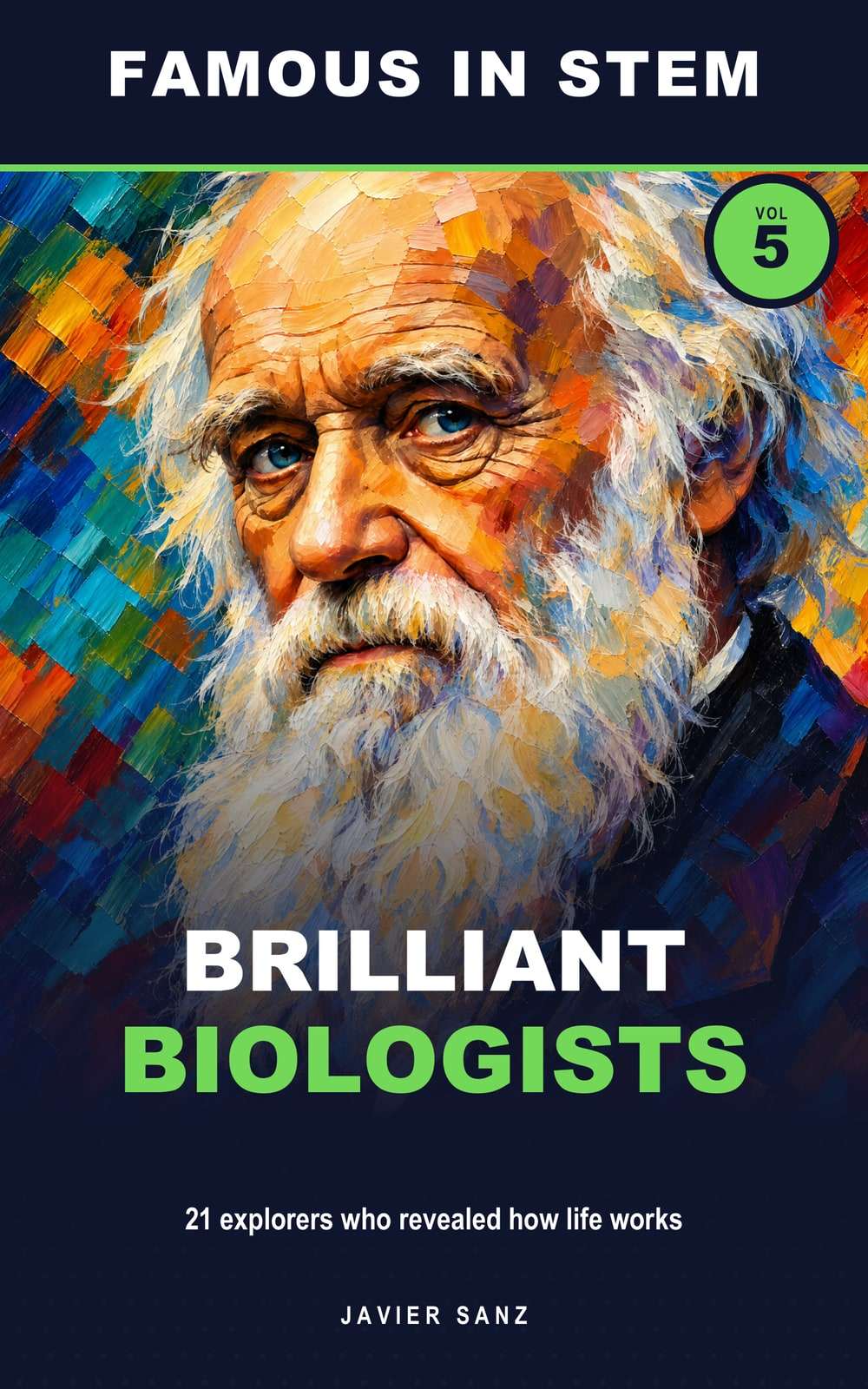
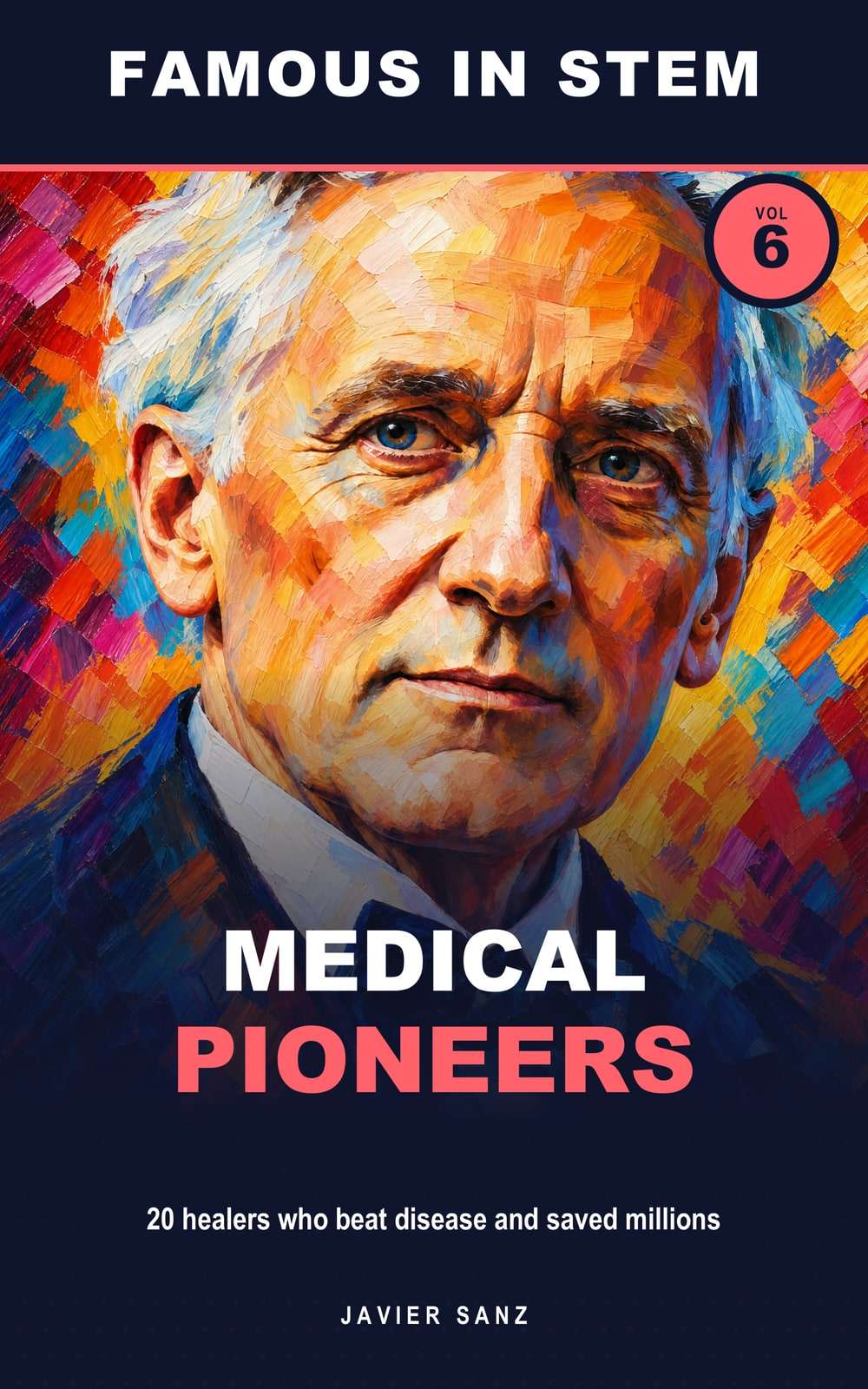
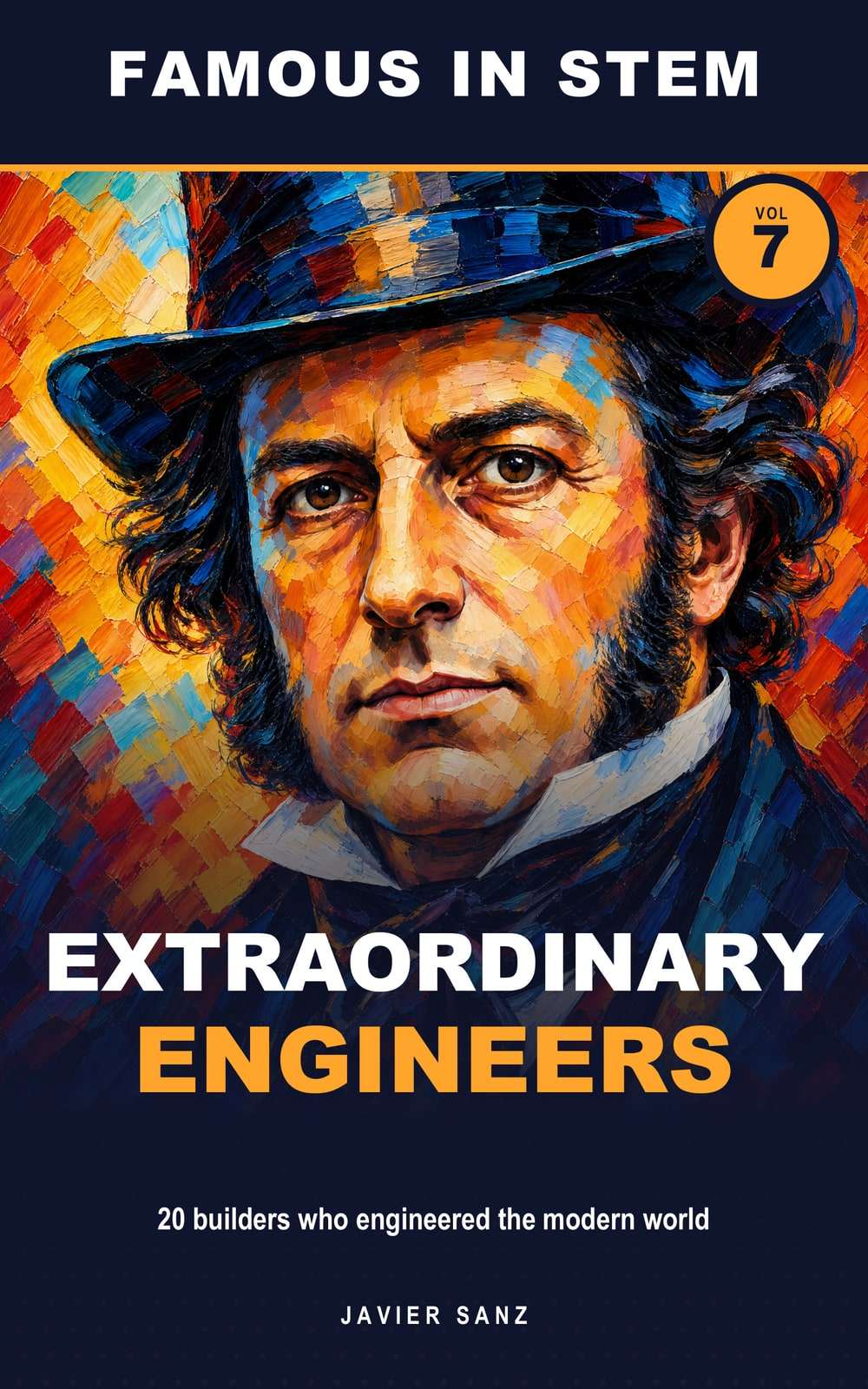
Famous in STEM (7 volumes)
Seven books of short, true biographies, one per field, 161 people in all, for readers 13 and up. This is the series this website is about. See everyone in it.
Questions
What are good science books for a 13-year-old?
Narrative nonfiction written for young adults is the easiest start: Bomb by Steve Sheinkin (ages 10–14), Charles and Emma by Deborah Heiligman (12 and up), The Code Book by Simon Singh (12 and up) and How We Got to the Moon by John Rocco (10 and up). The Famous in STEM books (13 and up) cover one field each in short, true chapters.
What science books do high school students read?
Several adult books on this list are listed by their publishers for grades 9–12, including A Short History of Nearly Everything, The Immortal Life of Henrietta Lacks, Napoleon’s Buttons, The Poisoner’s Handbook and Rocket Boys.
Are young readers’ editions worth it for teens?
For readers around 10 to 13, yes: Hidden Figures, The Disappearing Spoon and The Boy Who Harnessed the Wind all have young readers’ editions. Most teens of 14 and up can read the original editions.
How were these books chosen?
True stories a teenager can read alone, at least one per field, with the ages taken from each publisher and every award checked with the award body (last checked November 2026). One Famous in STEM volume is listed in each section because this is the series’ website; the other books are recommended on their own merits.
Last checked November 2026. Spotted a change or a book we should add? Write to jsanzbooks@gmail.com. For younger readers, see what to read after the Who Was? books.
Sources for ages and awards
- Bomb: ala.org
- How We Got to the Moon: penguinrandomhouse.com
- A Short History of Nearly Everything: penguinrandomhouse.com
- Hidden Figures: en.wikipedia.org
- The Code Book: penguinrandomhouse.com
- The Joy of x: maa.org
- The Innovators: en.wikipedia.org
- Hello World: publishersweekly.com
- Girls Who Code: penguinrandomhouse.com
- Napoleon’s Buttons: penguinrandomhouse.com
- The Poisoner’s Handbook: penguinrandomhouse.com
- The Disappearing Spoon (Young Readers Edition): hachettebookgroup.com
- Charles and Emma: ala.org
- Lab Girl: penguinrandomhouse.com
- I Contain Multitudes: openlibrary.org
- The Immortal Life of Henrietta Lacks: penguinrandomhouse.com
- An American Plague: ala.org
- Breakthrough!: publishersweekly.com
- Rocket Boys: penguinrandomhouse.com
- Built: sbfprize.org
- The Boy Who Harnessed the Wind (Young Readers Edition): penguinrandomhouse.com
- Women in Science: penguinrandomhouse.com
One book for each corner of STEM.
Famous in STEM tells the true stories of 161 scientists, inventors, doctors and engineers in seven books for readers 13 and up.