Reading guide

What to read after the Who Was? books.

The Who Was? series has more than 240 illustrated biographies, each about 112 pages on one person, written for ages 8–12, grades 3–7. When a reader is ready for more, here is where to go next, especially if the science and invention titles were their favorites.

The next step up

How Famous in STEM differs from the Who Was? series, for families deciding what comes next.

Who Was? seriesFamous in STEM
Written forAges 8–12, grades 3–7 (publisher)Readers 13 and up
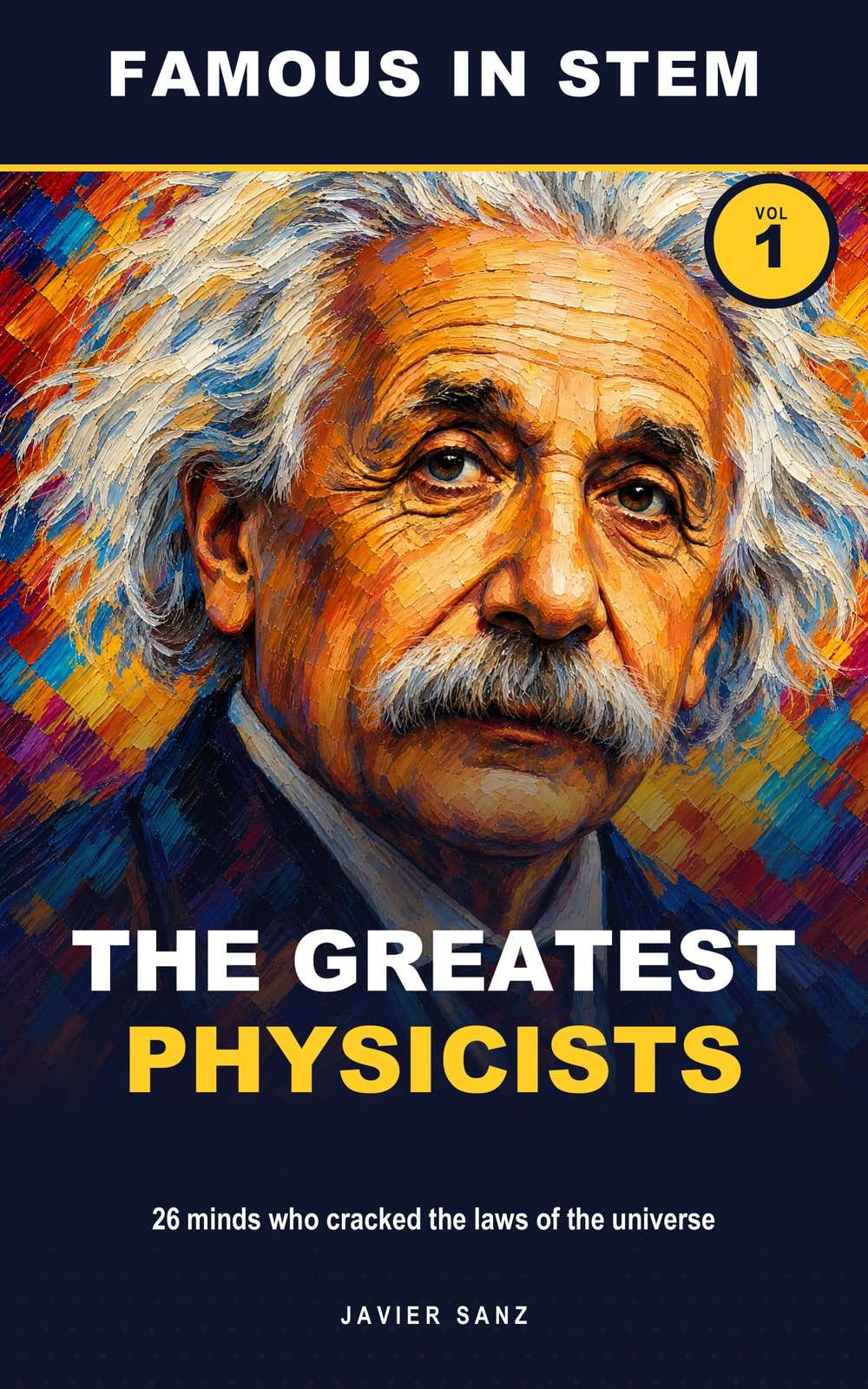
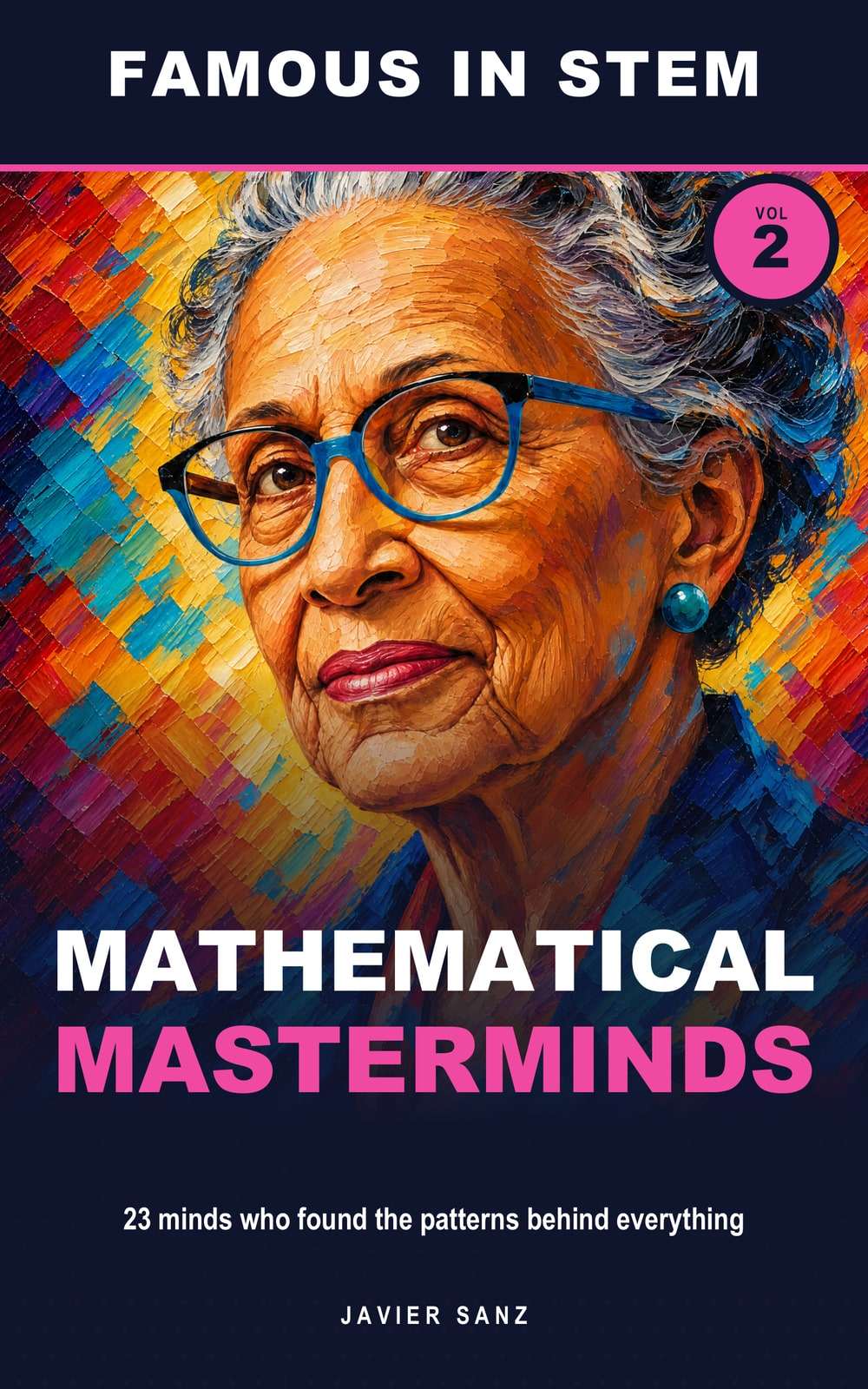
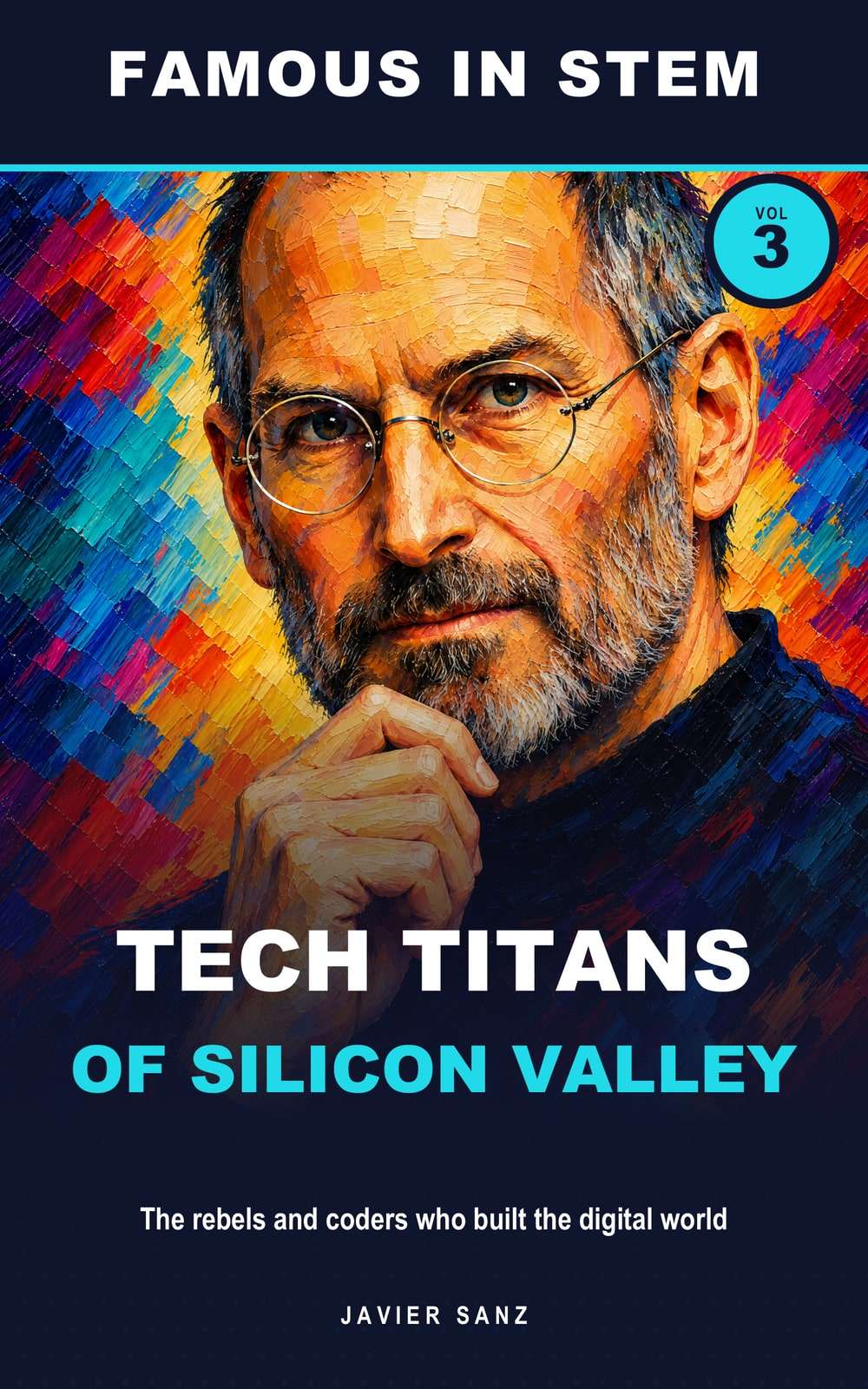
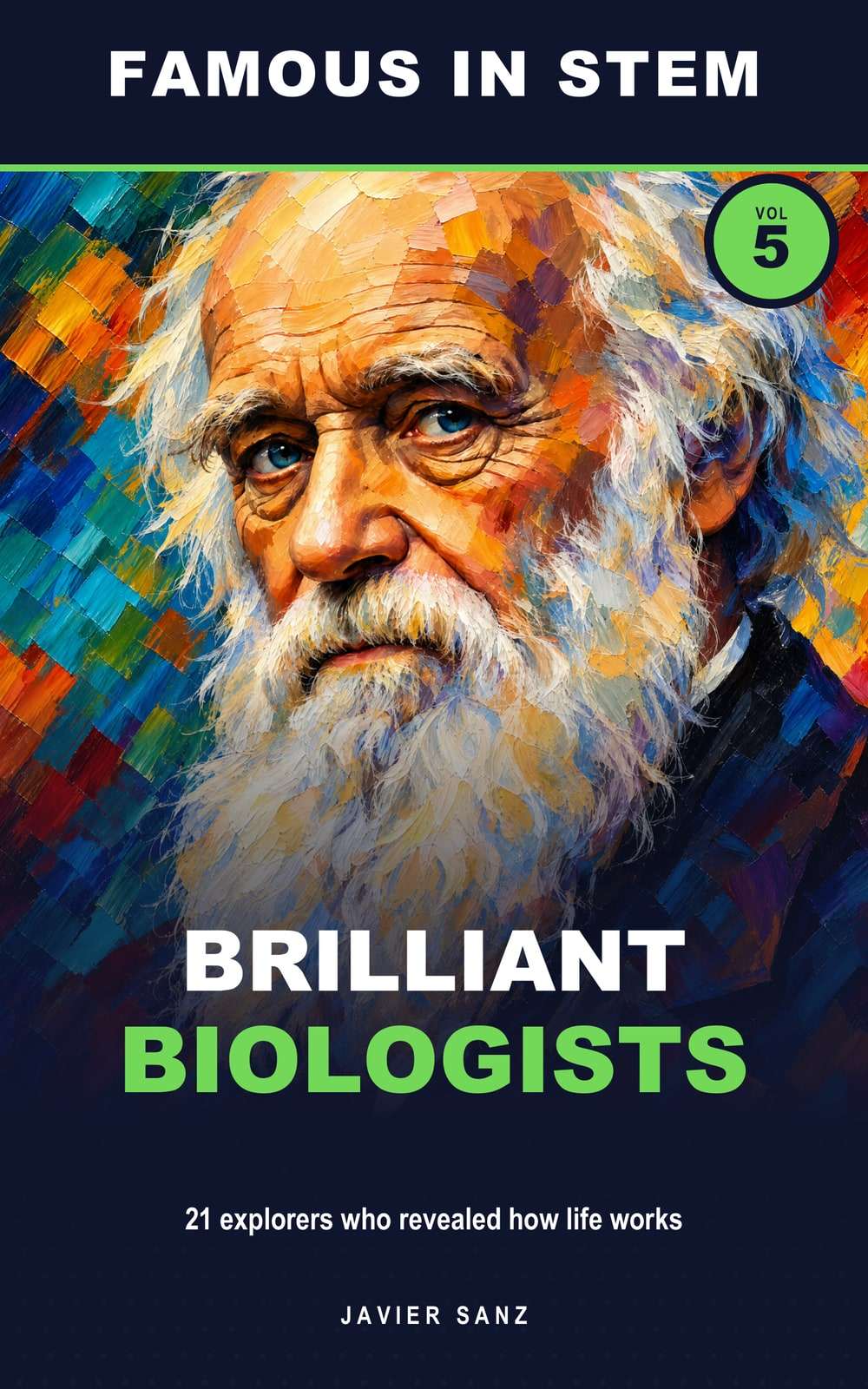
Each bookOne person, about 112 illustrated pages20 to 27 people from one field, one short chapter each
SubjectsHistory, science, sports, the arts and more (247 titles)Science, technology, engineering and math only: 7 books, 161 people
The scienceWoven into the life story, with sidebars and a timelineOne idea per chapter explained step by step, usually with something to try, notice or think about
PublisherPenguin Workshop (Penguin Random House), originally Grosset & Dunlap, since 2002Independent, by Javier Sanz; 2026 editions

Who Was? facts from the publisher’s series and title pages, checked November 2026.

If they loved…, read…

The people in these Who Was? titles also have chapters in Famous in STEM, alongside 20 or more others from the same field.

People they may not have met yet

None of these has a book in the Who Was? series (checked November 2026). Each has a chapter in Famous in STEM.

Other good next steps

Award-winning true stories and illustrated books pitched between Who Was? and adult nonfiction. For older teens, see the science reading list for teens.

  1. Bomb: The Race to Build—and Steal—the World’s Most Dangerous Weapon

    Steve Sheinkin · Flash Point / Roaring Brook Press, 2012 · Ages 10–14

    Narrative nonfiction that reads like a spy thriller; a natural step up in length and depth.

    Sibert Medal (2013) · Newbery Honor (2013)

  2. Hidden Figures: Young Readers’ Edition

    Margot Lee Shetterly · HarperCollins, 2016 · Ages 8–12

    The women mathematicians behind NASA’s early flights, told for younger readers.

  3. The Disappearing Spoon (Young Readers Edition)

    Sam Kean · Little, Brown Books for Young Readers, 2018 · Ages 10–13 when published

    Stories of the elements and their discoverers, organized around the periodic table.

  4. The Radium Girls: Young Readers’ Edition: The Scary but True Story of the Poison that Made People Glow in the Dark

    Kate Moore · Sourcebooks eXplore, 2020 · Grades 5–8 (Junior Library Guild)

    The young women poisoned by radium paint in watch factories, and their fight in court.

  5. How We Got to the Moon

    John Rocco · Crown Books for Young Readers, 2020 · Ages 10 and up

    The people and engineering behind Apollo, with richly detailed illustrations.

    Sibert Honor (2021)

  6. Women in Science: 50 Fearless Pioneers Who Changed the World

    Rachel Ignotofsky · Ten Speed Press, 2016 · Ages 10–17

    One illustrated page per scientist: a quick, visual way to meet 50 women in science.

  7. Science Comics (series)

    Various authors · First Second, 2016 · Ages 9–13

    Graphic-novel introductions to one science topic each, such as coral reefs, volcanoes and dinosaurs. Good for reluctant readers.

Questions

What age are the Who Was? books for?

The publisher lists them for ages 8–12, grades 3–7. Each is a 112-page illustrated biography of one person.

What should my child read after the Who Was? books?

Keep the true stories, and step up in length and depth: narrative nonfiction for ages 10–14 such as Bomb by Steve Sheinkin, young readers’ editions such as Hidden Figures and The Disappearing Spoon, and, for readers who love science, the Famous in STEM books (13 and up), which give each field a whole book of short biographies with the science explained.

Are there Who Was? books about scientists?

Yes, including Who Was Albert Einstein?, Who Was Marie Curie?, Who Was Isaac Newton?, Who Was Charles Darwin?, Who Was Jane Goodall?, Who Was Katherine Johnson? and Who Was Steve Jobs?. Each of those people also has a chapter in Famous in STEM.

Is Famous in STEM part of the Who Was? series?

No. Famous in STEM is an independent series by Javier Sanz. Who Was? and Who HQ are published by Penguin Workshop, an imprint of Penguin Random House.

Who Was?, Who Is?, Where Is? and Who HQ are trademarks of Penguin Random House LLC. Famous in STEM is independent and not affiliated with Penguin Random House.

Ready for the next step?

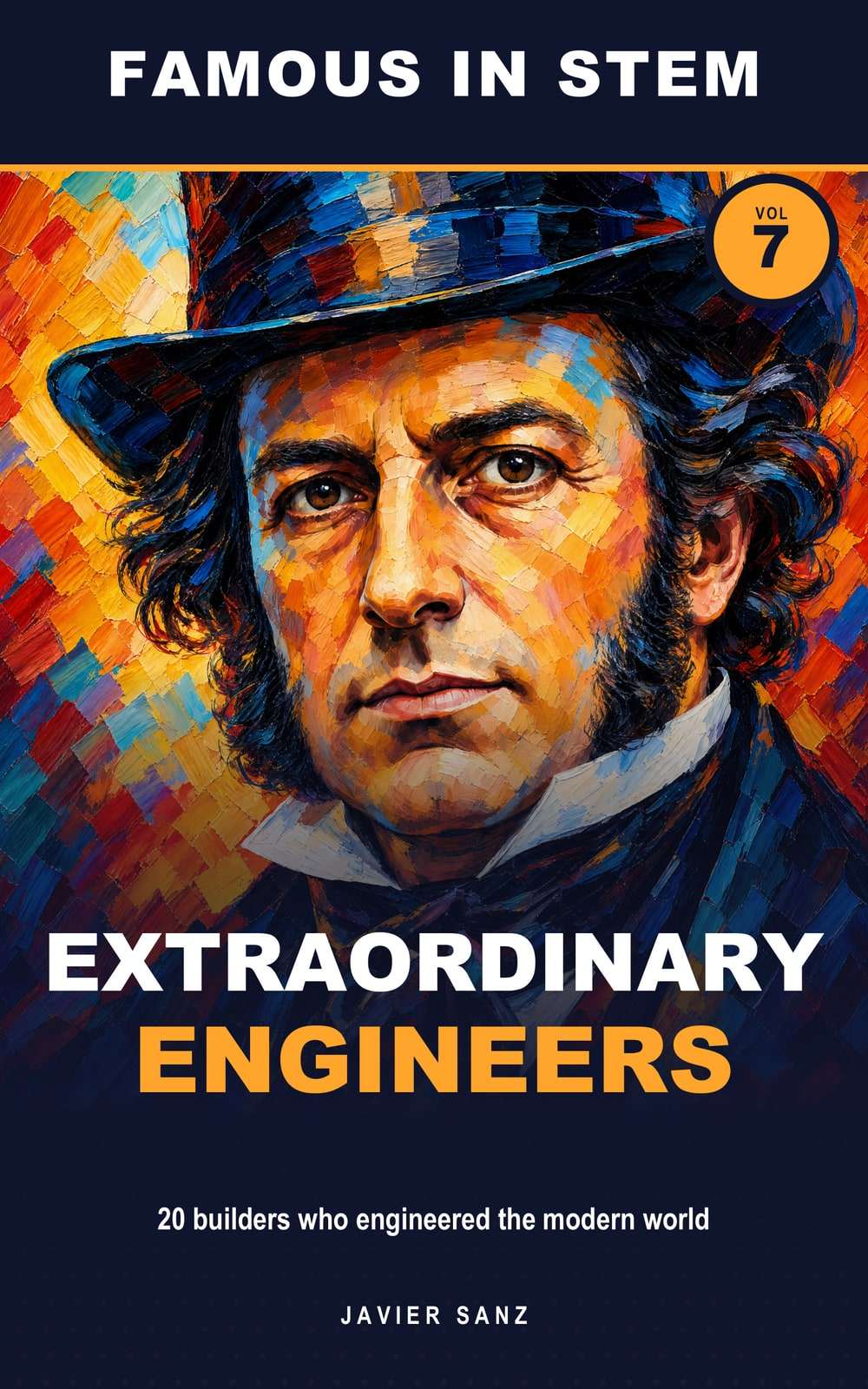
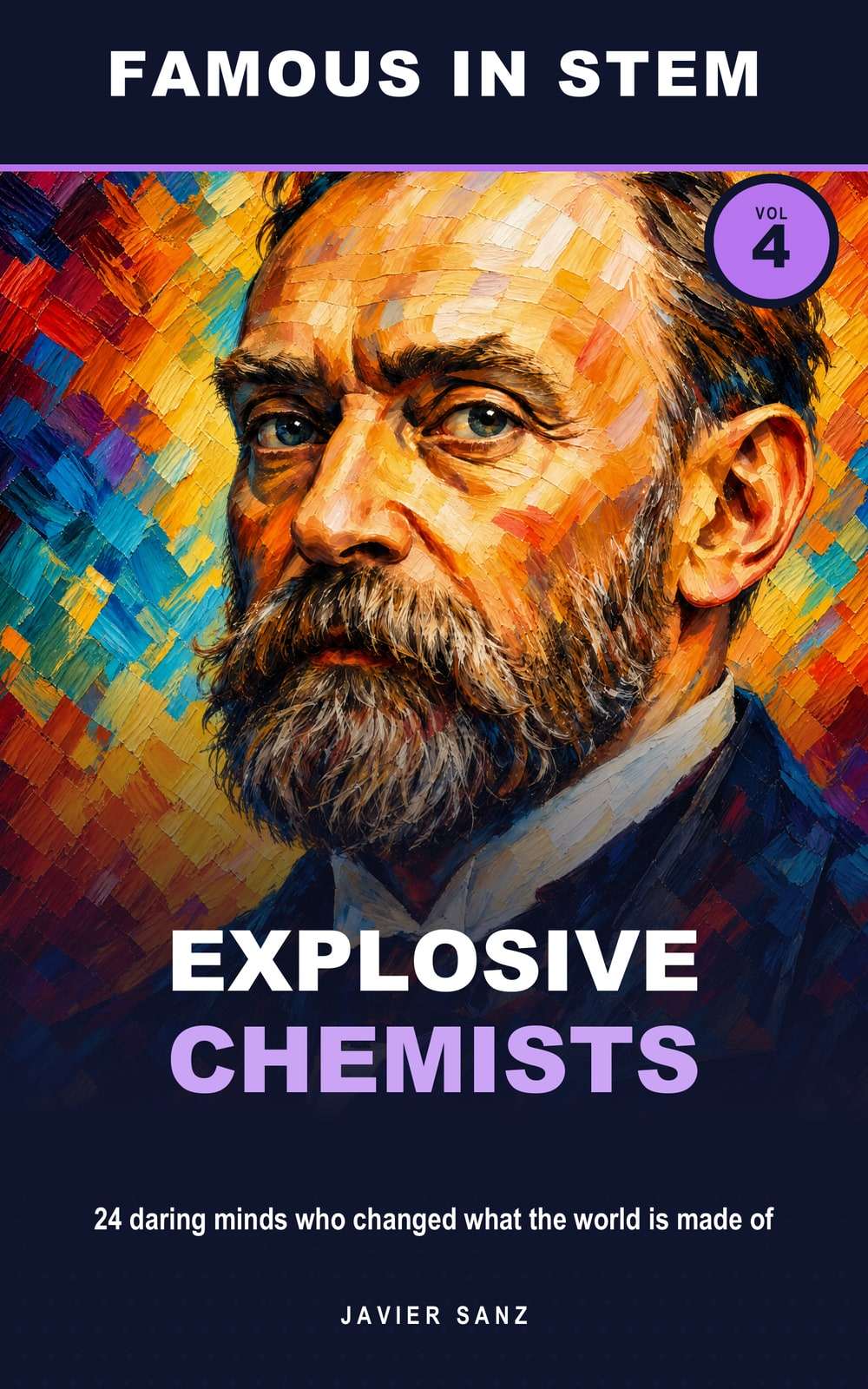
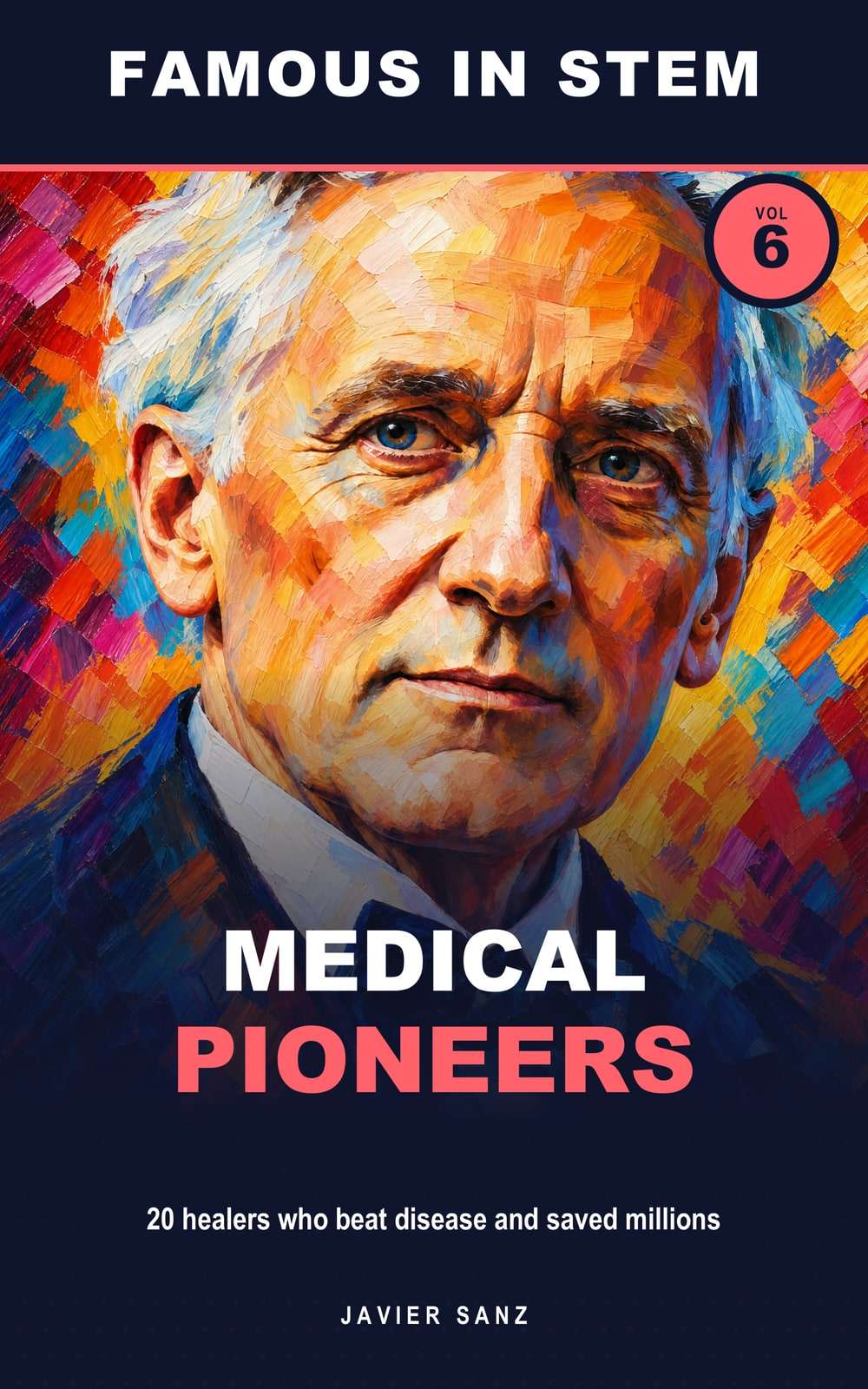
Famous in STEM gives each field of science a whole book of short, true stories, written for readers 13 and up.